Intro
Ethereum is one of the most used nets in the world. It runs DeFi apps games and NFT deals with smart code. Each act on the net has a cost called gas. Users pay gas in ETH gas fees to make deals work on chain. At times fees are low and fair for all. At other times fees rise so high that users stop acts. This has been a key issue for ETH nets for years. Users new to ETH may feel lost when fees change fast. It is key to know why fees rise and how to plan. With smart steps you can save coins and still use ETH nets.
What Is a Gas Fee
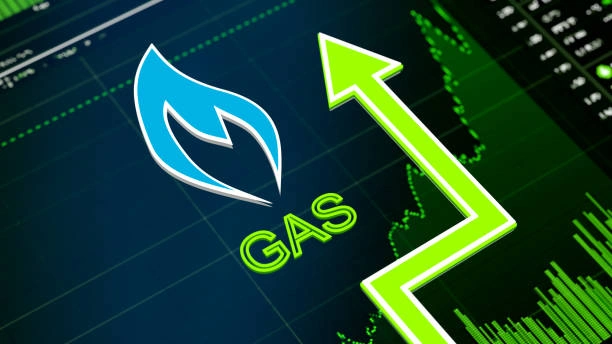
A gas fee is the cost to run a deal on chain. Each time you swap send or use a smart code you pay gas. The fee pays the users who stake and help run the net. It makes sure that each act on chain has a Fair Cost. Gas is set in ETH gas fees and can change at each block. It is like fuel for each deal you make on the net. No deal can run with no gas fees on Ethereum. This is how the net stays safe from spam and fake acts. The fee also helps rank deals by speed and need. The more you pay the more fast your deal is done.
- Gas is the cost to run a deal
- Each swap or send needs gas to work
- Gas is paid in ETH to the net
- No deal can run free on Ethereum
Why Fees Rise with Use
Gas fees rise when more users act on the net. If more deals take place the net has more load. The fee rises as users bid to get their deal first. This makes gas fee high when nets are full of swaps or apps. A new coin launch or NFT drop can make fees rise fast. Even small acts may cost more when nets are packed. The fee is set by demand not by a Fixed Rule. This is why fee can shift from low too high in one day. When nets are calm the fee can drop back down. Users must check gas cost before each deal to avoid loss.
Role Of Smart Code Size
Not all deals cost the same gas to run. A simple send of ETH may use less gas. A full swap or loan may need far more gas. A big smart code can take more gas than small ones. This makes fee change based on what type of deal you run. Users must plan as some acts may cost more than they think. The more lines of code the more gas is used on chain. DeFi apps and games can have code that costs more gas. This is why some hubs are seen as cheap and some not. You must check fee charts to know what you will pay.
- Small deals use less gas fees on chain
- Big swaps or apps need more gas
- Code size shapes fee on each deal
- Users must plan for costs in each act
Fix With Proof of Stake
The shift to proof of stake cut waste and made Nets Greener. It gave a new way to stake ETH and earn yield. Yet gas fee is still shaped by use and load. The shift did not end high fees in peak times. It only made nets more fair and safer in use. The merge was a key step yet not the last. Teams now work on new tools like sharding to cut fees. Shard nets can split load and give more room for deals. This may make gas more low and fairer for all users. The merge showed that ETH can grow and change with time.
How To Cut Costs
Users can take steps to pay less gas fees on ETH. One way is to act when nets are calm and less full. Use tools that show gas at low times of the day. You can also set a max gas fees you will pay. Some hubs batch deals to cut gas fees for each user. This means your act is packed with more deals to save gas. You can also use layer two nets that run on top of ETH. These nets use less gas and still give safe use. With a mix of smart plans, you can save more coins. This is why wise users plan each deal with care.
- Use nets in calm hours for low fee
- Check gas tools for best time to act
- Some hubs batch deals to cut fee
- Layer two nets give more low-cost use
Layer Two as A Fix
Layer two nets like Arbitrum And Optimism are now key. They let users run swaps and apps with far less gas. The acts are sent off chain then set on ETH in groups. This cuts gas fees and still keeps safe use on chain. Users who use these nets can gain speed and low costs. This is one of the best ways to cut gas now. More apps move to layer two nets each month. This shows that low-cost use is key for the next wave. In time more layer two nets may link back to ETH. The mix of ETH and layer two may keep ETH on top.
Future Of Gas Fees
Gas fees may still change as ETH nets grow. If more users join the fee may rise at peak. Yet new tools like sharding may bring fee down more. The goal is to make ETH wider and fairer in use. More users from all lands will need low fees to join. If ETH can fix fees, it may stay the lead chain. If not, some new nets may take its place in time. Still ETH has the most apps and most devs at work. This gives hope that fee will drop more with new tools. The next years will show if ETH can fix this core test.
Conclusion
Gas fees are a key part of the Ethereum net. They pay users who stake and help run the chain. Fees rise when nets are full of swaps and apps. Big code or peak use can make fees go high. Users can cut costs by using calm hours or layer two nets. The merge and stake shift did not end fee rise yet. More steps like sharding may help cut fee in the long run. With smart plans you can still use ETH and pay less. Users who learn how gas works can act with more calm. With time ETH may cut fees and still lead the world of open nets.