
Intro
Crypto trading is fast and full of risk. Prices can move by the minute. Many traders act in haste. Without records, they repeat the same mistakes. A trading journal is the fix. A trading journal is a simple log of each trade. It records your plan, entry, exit, and thoughts. It shows not just numbers but your state of mind. With it you can see what works and what fails. Without it you are blind. Many skip this step. They think it is a waste of time.
Yet the best traders keep journals. They know each trade is a lesson. A trading journal not just notes. It is a mirror that shows truth when memory fades. This text shows why a journal matters, what to put in it, and how to use it to grow. If you want long term results, the habit of writing may be your strongest tool.
Why a Journal Matters
A journal gives structure. It turns random trades into clear data. Each note is proof of your plan. You can look back and see if you followed it. It also kills bias. Traders often remember wins and forget losses. A Journal Keeps both. It shows the real score with no room for lies. More than that, it builds discipline. The act of writing slows you down. It makes you think before you place a trade.
This pause can stop a bad move before it starts. Over time this habit shapes you into a calm and steady trader. A journal also gives hope. You see how far you have come. You see growth in both skill and mind. It proves that even mistakes were steps forward.
What to Record
A good trading journal records more than price. It covers the full trade. The more detail you add, the more value you gain.
- Entry and exit price
- Stop loss and target
- Time of trade
- Size of position
- Reason for entry
- Emotion during trade
- Result and lessons
Each point builds a full picture. They show not just the trade but the Story Behind it. You can spot if fear made you act too soon. You can see if greed made you hold too long. You can also note if your setup worked as planned. Over time, these records reveal patterns. You may learn that trades placed late at night fail more. Or that you gain more when calm. These insights cannot be found without a journal.
Tracking Emotions
One of the most useful parts of a journal is emotion tracking. Many losses come from fear and greed, not from bad setups. By writing down your mood, you expose the hidden cause of loss. Note how you felt before entry. Were you calm, greedy, or afraid? Write your state when you closed. Did you panic? Did you feel overconfident? Did you chase after hype? With time you will see trends.
Maybe you lose more when you feel rushed. Maybe you win more when you are rested. These links are often missed in memory but clear on paper. Once you see the link, you can shape habits. You may stop trading when tired. You may avoid markets when stressed. Your journal becomes a guide not just for trades but for your own mind.
Learning From Mistakes
Every trader makes mistakes. What matters is if you learn. A trading journal gives proof of each error. It shows when you broke your rules. It shows when fear or greed took over. Losses hurt, but a journal changes them into lessons. You can study where you failed and why. Over weeks and months, you can see repeat errors. Then you can write new rules to avoid them. This process builds real growth.
You shift from guessing to learning. Each mistake becomes less painful because it builds skill. In time you repeat fewer errors, and your plan gets sharper. A trader with no journal may keep falling into the same trap for years. A trader with a journal can break the cycle.

Spotting Strengths
A trading journal does not just show errors. It highlights strengths. You may notice you trade one coin better than others. You may find that long holds work better than short trades. This is key because most Traders Chase every style. They want to win everywhere. But strength comes from focus. A journal shows you where you already win. You can then put more energy into that edge. It also boosts your trust. When you see proof of past wins, you gain calm. You know your edge works. You no longer doubt yourself at every move. A record of strengths is as useful as a record of mistakes. Both push you forward.
Digital or Paper Journal
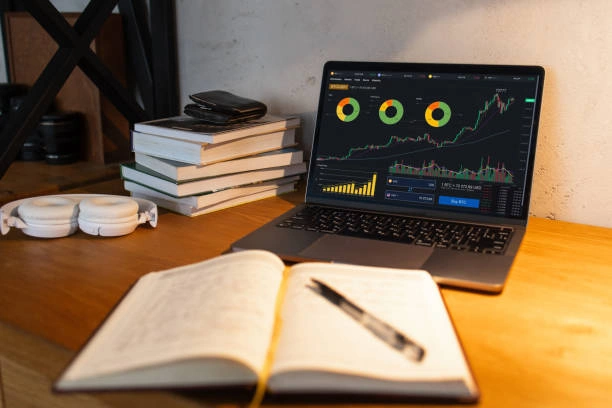
You can keep a journal on paper or on a screen. Both are fine. The best choice is what fits your life. Paper journals are simple. They feel personal. Writing by hand slows you down, which adds focus. Some traders even sketch charts by hand. This builds a deeper link with each trade. Digital journals are fast. They allow charts, screenshots, and easy search. You can store years of data without clutter. Apps can also track stats for you. Some use both. They log data on digital files but use paper for thoughts. The mix works well. What matters is that you write. The form is less important than the act.
How to Review Your Journal
The journal only helps if you read it. Set time each week to review. Look at trades one by one. Then step back and study the big picture. Ask yourself: Did I follow my rules? Did I break them? Which moods led to gains? Which moods led to loss?
- Review once a week at set time
- Mark trades by type and mood
- Write notes on what to change
The review process turns raw notes into real lessons. It shows patterns you miss in the moment. It also keeps you honest. A review may hurt, but it will save you later.
Building Discipline
Writing a journal builds more than skill. It builds habit. Each entry proves that trading is not random. It is planned work. The act of logging every trade slows you down. It stops you from rushing. It trains you to think before you act. This discipline spreads. It shapes your whole style. Over time, you no longer see trading as quick luck. You see it as a craft. The journal is your workshop. Each page adds to your growth. This habit separates short term Gamblers from long term traders. Discipline is the edge that keeps you alive when markets turn.
Conclusion
A trading journal is simple but powerful. It turns trades into lessons. It shows wins, losses, and moods with proof. It teaches you where you fail and where you shine. The key is daily use and weekly review. Write entry, exit, reason, and mood. Track gains and losses. Do not lie to yourself. Each page is a mirror. Traders who use journals grow faster. They cut errors, build strength, and learn calm.
They build trust in their rules. They stop chasing hype. They start acting with care. Crypto is wild. The market will always test you. A journal gives order in the chaos. It is your tool to last. Without it, you repeat mistakes. With it, you learn and grow.