Intro
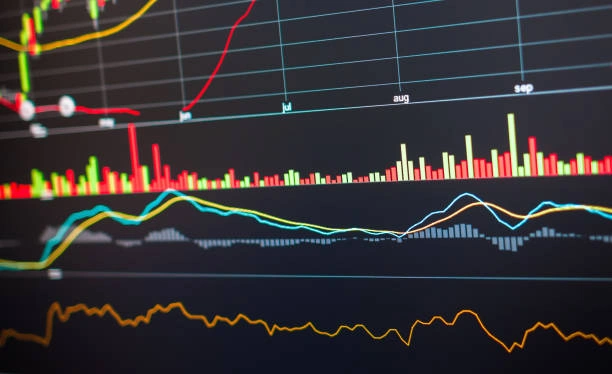
Trading crypto without tools is like sailing with no compass. Prices move fast. Trends shift by the hour. New traders often guess and lose. The market has no mercy for blind moves. This is why technical indicators matter. They give signals from past data. They show when a coin may rise or fall. They do not give perfect answers. But they improve the odds. Used with care, they guide choices and cut risk.
Many traders drown in too many tools. They use dozens of technical indicators at once. This only brings noise. The real skill is to use a few that work and learn them well. This text shows the main technical indicators that have proven useful in crypto. They are simple to read and used by both new and pro traders. If you want to build a strong plan, these are the tools to start with.
Moving Averages
Moving averages are one of the most Common Tools. They smooth price data to show the trend. A simple moving average takes the mean of past prices. A short one shows near moves. A long one shows the big trend. When price is above the moving average, the trend is often up. When it is below, the trend is often down. Crossovers of short and long lines give signals to buy or sell. Moving averages also show support and resistance. Many traders watch the 50 day and 200-day lines. These guide long term moves. They are simple but powerful. They show you the flow of price with less noise.
Relative Strength Index (RSI)
RSI is a tool that shows if a coin is overbought or oversold. It works on a scale of 0 to 100. If RSI goes above 70, the coin may be overbought. It can mean a pullback is nearby. If RSI drops below 30, the coin may be oversold. This can mean a bounce is near. RSI is not perfect. Coins can stay overbought or oversold for days. But it helps Traders Spot extreme points.
- RSI above 70 may warn of a top
- RSI below 30 may point to a bottom
- Middle range shows normal trend
It works best with other tools, not alone.
MACD
The Moving Average Convergence Divergence, or MACD, is a tool that shows momentum. It has two lines made from moving averages. When the short line crosses the long line, it gives a signal. A cross up often means a rise is nearby. A cross down means a fall may come. MACD also has a histogram. This shows the strength of the trend. MACD is slower than RSI but steadier. It helps spot big moves. Many traders use it to confirm trends shown by other tools.
Volume
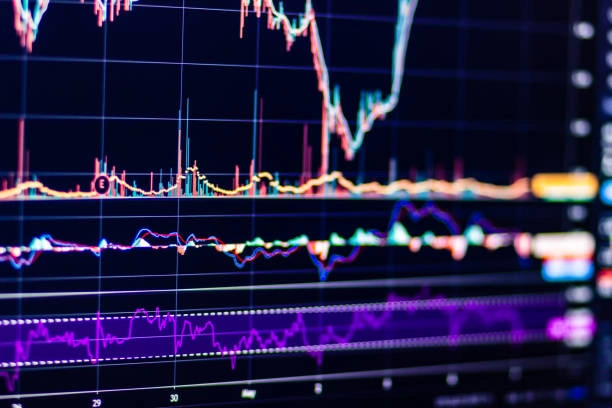
Volume shows how much of a coin is traded in a set time. It is key to judge the strength of a move. If price rises with High Volume, the move is strong. If price rises with low volume, it may be weak and fail. The same is true for drops. Volume also shows breakouts. When price breaks a key level with high volume, the move is more real. With low volume, it may be fake. Traders also use volume to confirm trends. If volume grows while price holds direction, the trend is healthy. If volume fades while price moves, it warns of a weak move that may soon reverse.
Support and Resistance
Support is a price level where buyers step in. Resistance is a level where sellers act. These zones show where price may stop or turn. Traders mark these levels on charts. They use them to set stops and targets. If price breaks through, it can mean a strong new move. Support and resistance are not exact lines. They are zones. Reading them takes practice. But once you learn, they become a core part of trading.
Combining Technical Indicators
The best results come from mixing tools. One indicator alone may give false signals. But two or three together build more trust. For example, you can use moving averages for trend, RSI for extreme points, and volume for strength. If all agree, the trade is safer. If they clash, wait.
- Combine trend tools like moving averages
- Add momentum tools like RSI or MACD
- Check volume to confirm the move
This simple mix works better than dozens of tools at once.
Avoiding Indicator Traps
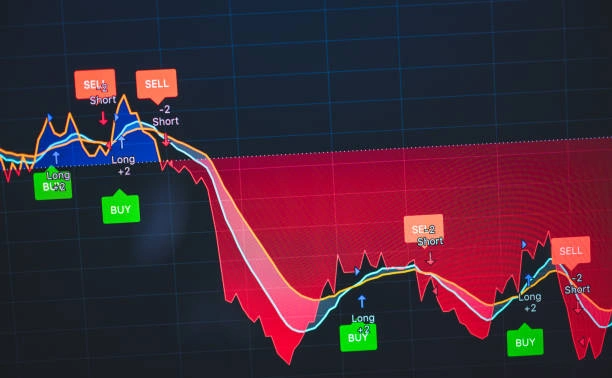
Many new traders fall into traps. They add too many tools. They wait for perfect signals. By the time they act, the move is gone. Another trap is blind trust. Technical indicators are guides, not magic. They Read Past Data. The future can still change. You must learn how each tool works. Test them on old charts. See how they behave in up and down trends. This builds skill and trust. Over time you will see which ones match your style. Some traders prefer fast tools, others like slow ones. The goal is not to use them all, but to use them well.
Conclusion
Technical indicators are not secrets. They are tools that show the flow of price. The ones that work best in crypto are simple. Moving averages, RSI, MACD, and volume is enough for most traders. Support and resistance also guide choices. The key is not to use them all at once. The key is to master a few. Use them with clear plans. Mix them to confirm signals. Never trust one tool alone. Trading without technical indicators is blind. Trading with too many is noisy. The balance is to pick a few and build skill.
Technical indicators is a way you read charts with calm. You trade with more trust and less guesswork. Technical indicators in crypto will always move fast. Technical Indicators do not stop risk. But they give you more control. They let you plan better and cut fear. With practice, they can turn chaos into clear steps. That is why every trader should learn them and use them with care.