Intro
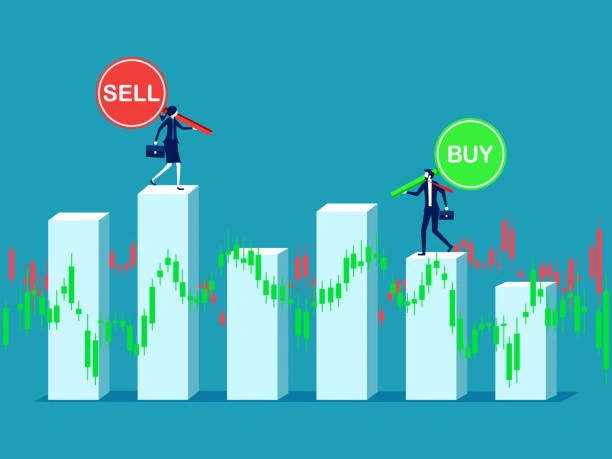
Crypto gives many ways to trade. Two of the most common are day trading and swing trading. Both are valid. Both can lead to gains. But they are not the same. Each has its own pace, risk, and style. Day trading is short term. You open and close trades within a day. Some traders work in minutes. Others hold for a few hours. Swing trading is longer. You hold trades for days or even weeks.
You study trends and act with more patience. New traders often jump between both styles. They try day trades in the morning, then switch to swing trades by night. Most fail because they do not know which path fits them. Time, skill, and stress levels decide more than luck. This text breaks down the key parts of each style. It shows what makes them work, where they fail, and who they fit best.
What Is Day Trading
Day trading means buying and selling within one day. The goal is to profit from small moves. These trades may last hours, sometimes only minutes. A day trader studies short term charts and reacts fast. This style needs strong focus. You must watch screens for long hours. A small slip can turn gains into loss. News, signals, and Sharp Moves must be tracked in real time. Many day traders also use tools like alerts and bots. Day trading is high stress. It gives many chances but punishes errors fast. Few people can keep up with its pace every day.

What Is Swing Trading
Swing trading looks at longer time frames. A trade may last days or even weeks. The aim is to ride bigger waves. Instead of catching small moves, you target a larger trend. Swing traders use both charts and news. They watch support, resistance, and big events. This style does not need full time focus. You can check charts a few times a day. You can still work or study. Swing Trading is less stressful. It gives more time to think and plan. But it needs patience. You must sit through slow days and wait for moves to play out.
Pros of Day Trading
Day trading has clear upsides. You can profit from small swings. You can react to news in real time. You also avoid overnight risk since trades close the same day. For skilled traders, this gives control. You know where you stand by night. Each day is a fresh start. It also builds discipline. Each trade ends in the same session so bad habits do not pile up. A new day means a clean slate. This can help traders learn faster and adjust their style without long waits.

Pros of Swing Trading
Swing trading offers balance. You do not need to sit at a screen all day. You can take time to study moves and plan. It is also easier to blend with a job or study. Swing trading gives room for Deeper Analysis. You can use charts, news, and even on-chain data to guide your plan. It also allows larger gains per trade when a trend holds.
- Gives more free time and less stress
- Fits people with jobs or school
- Allows deeper study of charts and news
- Offers larger gains when trends last
For many users, this style feels more natural.
Cons of Day Trading
Day trading is not easy. It takes full focus. You must be fast. You must accept losses and move on. This stress burns out many new users. It also needs tools. A strong internet line, charting apps, and sometimes paid data are key. Without them, you lag. One mistake can wipe a week of gains. Many traders also face mental fatigue. Hours of watching charts can drain energy and cloud judgment. Over time, this can lead to poor choices and bigger losses. Day trading is a skill and a test of mind, not just numbers.
Cons of Swing Trading
Swing trading also has flaws. You face overnight risk. News can break while you sleep. A sudden move may stop you out. Your funds are also tied up longer. You cannot move them around each day. This can feel slow for users who want action.
- Exposed to overnight risk and news shocks
- Funds locked in for days or weeks
- Patience is hard for new traders
Swing trading works best for those who can wait and follow clear rules.
Which Style Fits You
Your life decides which style fits. If you have free time, focus, and want action, day trading may suit you. If you need balance with work or school, swing trading may be better. Ask yourself simple questions. Do you enjoy fast action or calm trends? Can you sit for hours at a screen? Or do you prefer to check once or twice a day? Do you want many small trades or Fewer Large ones? Your answers show your style. Some mix both. They swing trade with most of their funds and day trade a small part. This way they enjoy action without full risk.
Conclusion
Day trading and swing trading are two paths. Both can work if matched to the right person. Day trading brings speed, many trades, and no overnight risk. But it brings stress and high demand. Swing trading brings calm, balance, and bigger waves. But it locks funds and faces overnight news. The key is not which one is better. The key is which one fits you. A style that does not fit will drain you.
It will break your focus and lead to loss. A style that fits will feel natural. It will help you last and grow over time.Do not copy others. Do not chase hype. Look at your life. Match your time and skill with the right style. Then build rules and follow them. With this, both day trading and swing trading can be safe paths to growth. In crypto, survival is the real win.